Public Building & New-energy Solutions
Public buildings such as hospitals, airports, stadiums, and commercial complexes require power distribution systems that prioritize safety, comfort, and continuity of service. Hospitals need reliable power for operating rooms, medical equipment, and emergency systems. Airports and stadiums require stable power for lighting, security, and passenger services. In all these applications, downtime is not acceptable.
Low voltage switchgear, distribution cabinets, and terminal distribution boxes form the backbone of public building power systems. Busbar trunking systems provide flexible power distribution across large floors and high-rise buildings. Reactive power compensation cabinets improve power factor and reduce energy costs. Intelligent metering and monitoring devices help facility managers track consumption and identify inefficiencies.
Fire safety is a top priority in public buildings. Distribution equipment must comply with fire protection standards, and emergency power systems must be able to supply critical loads during outages. Arc fault detection and temperature monitoring add additional protection for equipment and personnel.
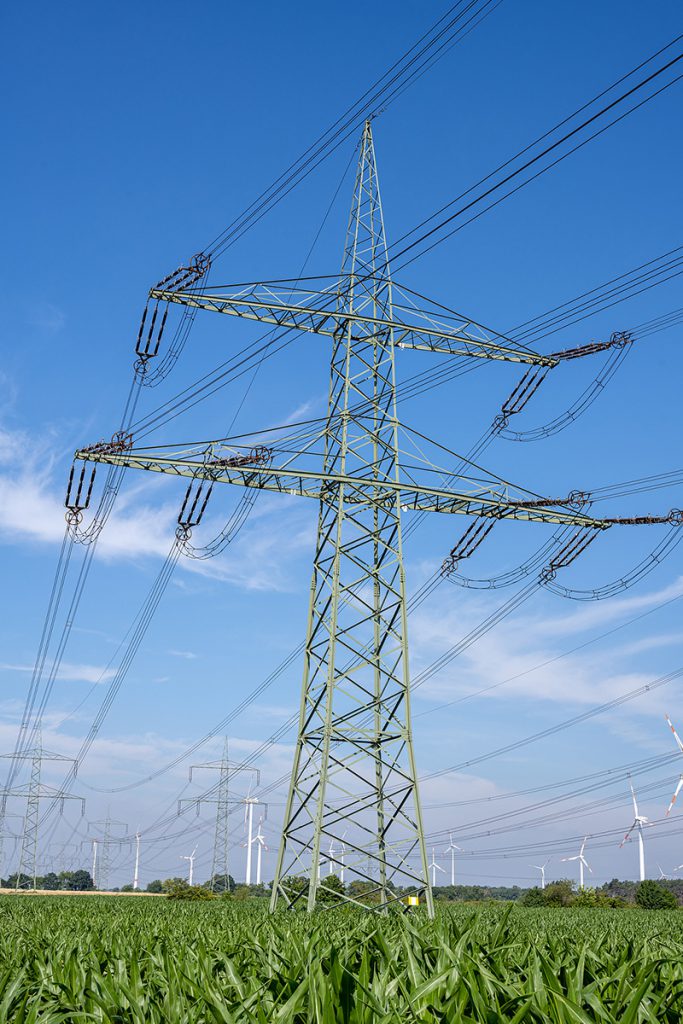
New-energy applications are growing rapidly and require specialized power distribution solutions. Solar photovoltaic systems use grid-connection cabinets and combiner boxes to feed power into the grid. Energy storage systems require bidirectional converters and protection devices. Wind farms need compact substations and reliable switchgear that can operate in remote and harsh environments.
For new-energy projects, power quality and grid compatibility are important. Inverters and converters generate harmonics that affect power quality. Filters and compensation equipment maintain stable operation. Monitoring systems provide real-time data for performance evaluation and remote maintenance.
Public building and new-energy projects share a common requirement: reliable, efficient, and safe power distribution. Selecting the right equipment, coordinating protection, and integrating intelligent monitoring help ensure long-term performance and support the transition toward a more sustainable energy future.